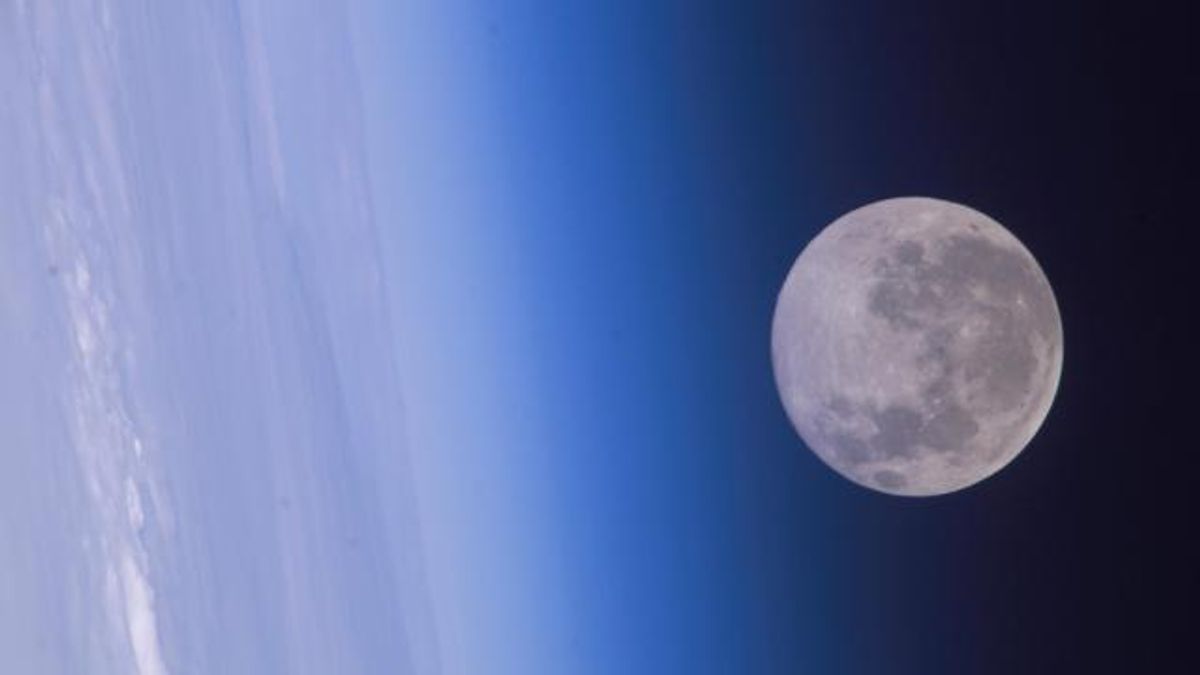
This Friday's full moon is known as a "blue moon," the second full moon in the calendar month. This naming is based on a mistake more than 65 years old.
The color the moon appears to us is controlled not by calendar but by the Earth's atmosphere. The only way it will appear blue in color is if atmospheric conditions scatter the moonlight just right. Ash from a massive forest fire or volcano which has been trapped in the upper atmosphere has created such conditions in the past. Thankfully, we won't have to worry about that this month. The moon will likely be its normal silvery to yellow color as it rises into the night sky.
Other WRAL Top Stories
Friday is your last chance to see a "blue moon" until July 31, 2015, but this really isn't that big of a deal. Blue moons occur every 2.7 years on average under this definition. However, 1999 had blue moons in January and March. As astrophysicist Neil Degrasse Tyson points out, presidential elections happen less often but we don't call them rare.
Blue moons occur because our calendar and the definition of the months is roughly based on lunation, or the time required for the moon to cycle through its phases. However, lunation's regular 29.5 days do not sync up well with irregular length of the months creating situations where two full moons can occur occur in just about any month (except February).
The modern definition of a twice-in-a-month full moon comes from a 1946 Sky and Telescope magazine article. That article misinterpreted the usage of the term in The 1937 Maine Farmers' Almanac. That publication put the "blue" label on the third full moon in seasons with four full moons. The next blue moon by this definition will occur August 21, 2013. Sky and Telescope published a followup article in 1999 acknowledging the error, but it was too late. Their 1946 creation persists today.
Astronomically speaking, none of this means a thing. None of the celestial bodies really care about the human calendar or what we call a particular cycle of the moon's visibility. It is, however, a good excuse to go out and gaze on Earth's only natural satellite. The moon will rise shortly before sunset at 7:43 p.m. and will be visible all night. Don't forget to give the moon a wink for astronaut Neil Armstrong.
Tony Rice is a volunteer in the NASA/JPL Solar System Ambassador program and software engineer at Cisco Systems. You can follow him on twitter @rtphokie.