Mars rover making trip through time, space
It's no TARDIS or DeLorean but Curisoity is poised to take scientists back in time on Mars - to eras where water flowed across the red planet.
Posted — Updated

It's no TARDIS or DeLorean but Curisoity is poised to take scientists back in time on Mars – to eras where water flowed across the red planet.
But when the Mars Science Laboratory was launched last November, its destination was simply "Mars." The landing site had not been agreed upon yet.
More than 60 sites across the red planet were consided by a team of experts from NASA and the worldwide academic community. The list was reduced based on safety of landing and operating there, variety of rocks and geologic formations available for study and how habitable that location is expected to have been for microbial life in the past.
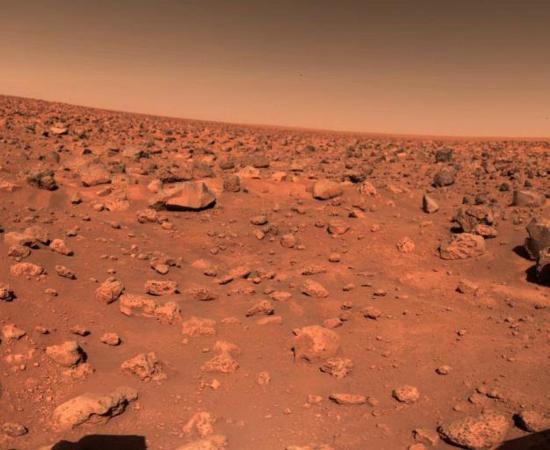
In the end, Gale Crater, named for Australian astronomer Walter F. Gale, was selected for its apparent wet history. The 96-mile-wide crater is at least 3 billion years old and big enough to swallow Connecticut and Rhode Island. In its center is a 3-mile tall mountain of intact layered materials that scientists can't wait to get a closer look at via the rover's drills, cameras and suite of scientific instruments.
The rover will land on a smooth, flat plain near the base of the mountain in the early morning hours of Aug. 6.
Planetary Scientist Mike Malaska said, "Gale Crater is like a book with all the chapters in the right order. We can now piece together large chunks of Martian geological and environmental history."
Studies conducted from orbit indicate that the bottom of the mountain, near Curiosity's landing spot, is rich with clay minerals. Geographic features indicate a fan-like formation we associate with a river delta here on Earth. While the surface water is long gone, the clues it left behind are there waiting to be examined.
Rover drivers plan to maneuver the 2-ton rover up the side of that mountain over the next year. This nuclear-powered rover is capable of at least 12.5 miles in travel and is poised to outlive its older, less capable siblings, the Spirit and Opportunity.
is needed to preserve those organic compounds. Lower layers of the mountain include the minerals organic compounds like to cling to.
As Curiosity rises through more recent strata, it will encounter formations indicating how high the mineral-saturated water once reached. Long ago, Gale Crater may have been a huge lake with an island in the center, not unlike Crater Lake in Oregon.
Over the year-long primary mission, Curiosity will travel through several eras, revealing clues about geologic and environmental changes along the way. What is learned there will help us understand what happened to bring such a wet place to the dry barren landscape it is today. Check back next week for more about how the rover was built with this mission in mind.
- July 17 Building the next generation rover
- July 24 Curiosity, an Astrobiologist on six wheels
- July 31 Seven minutes of terror, landing on Mars
Copyright 2024 by Capitol Broadcasting Company. All rights reserved. This material may not be published, broadcast, rewritten or redistributed.