Poll: N.C. residents want mass transit, not expense
State residents would love to have regional rail systems and other mass transit options – they just don't like the idea of paying for it. Elon University's survey also finds most people satisfied with the state DOT.
Posted — Updated
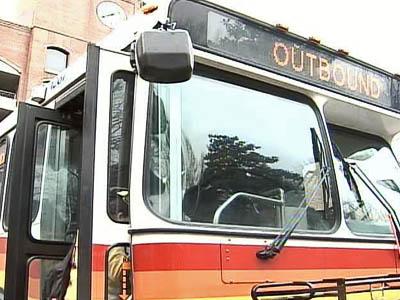
The poll also found that people have a favorable impression of the state Department of Transportation, which has been criticized in recent months by a state audit and a private consultant.
The poll has a margin of error of 4.5 percentage points.
Seventeen percent of respondents listed public transportation as the most important, compared with 31 percent for gas prices, 13 percent for road conditions and 10 percent for traffic congestion.
Almost 72 percent said they support commuter rail systems in urban areas, and about 70 percent said they would like high-speed rail service between major cities. Two-thirds of those surveyed said they would be willing to pay extra fees – some would go as high as $100 or more a year – for such services.
But when it came to figuring out how to pay for transit or more road construction and maintenance, residents didn't like most of the funding ideas, according to the poll.
Fifty-eight percent rejected raising car registration fees, 68 percent opposed fees based on miles driven per year, 63 percent said they wouldn't like to pay more for driver's licenses, 63 percent also rejected making some highways toll roads, 81 percent opposed using local property taxes – or a state-levied property tax – for transportation, and 70 percent didn't like the gas tax.
The transportation funding ideas that garnered the most support in the poll were a $2 billion statewide bond referendum for road construction and maintenance (65 percent), imposing impact fees on developers (59 percent), charging trucking firms according to the weight of their rigs (59 percent) and giving voters the option of approving a half-cent local sales tax for transit and road projects (58 percent).
A majority of those surveyed said they would consider using transportation alternatives like carpools, vanpools, buses and trains, but most said they don't do so now because the services aren't available where they live.
The survey also gauged the public perception of the DOT, which has come under fire in recent months. A state audit said poor planning led to expensive delays in highway construction projects, and a private consultant found a lack of accountability and low morale in the department.
Yet, three-fifths of those polled said they were satisfied with the DOT's performance. Most of those who reported interacting with the department in the past year said DOT employees were courteous and helpful.
The highest negatives for the DOT were 45 percent who said they weren't satisfied with road maintenance, 42 percent who weren't satisfied with DOT's provisions for public transportation and 40 percent who weren't satisfied with road construction.
• Credits
Copyright 2024 by Capitol Broadcasting Company. All rights reserved. This material may not be published, broadcast, rewritten or redistributed.