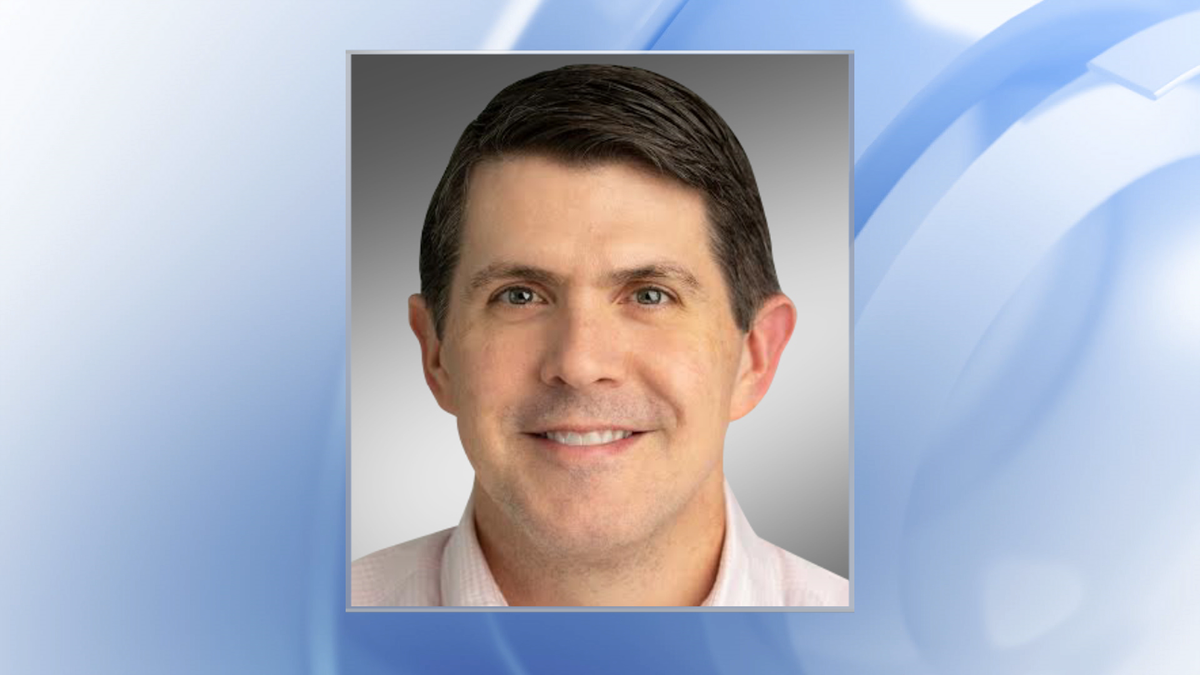
North Carolina state government employees will likely have to pay higher health care premiums in the coming years, State Treasurer Brad Briner said Thursday.
The State Health Plan, which is overseen by the treasurer's office, faces a $507 million deficit, even after “a record appropriation expectation from the General Assembly” to help shore it up, Briner told the State Board of Education during a scheduled meeting.
Other WRAL Top Stories
In his role as state treasurer, Briner is a member of the State Board of Education.
His office is looking into how to ensure the plan’s solvency but still expects premiums to go up for all state employees come 2026 — what would be the first increase in premiums for all employees in about a decade.
“We may have some more juice to squeeze out of that particular orange,” he told the education board. “The underlying problem is a cost problem.”
Briner is a Republican who won the 2024 election to replace former Treasurer Dale Folwell, a fellow Republican. Folwell, who lost in the Republican primary for governor, spent years asking the Republican-led state legislature, unsuccessfully, to put more money into the State Health Plan as costs rise due to people living longer and requiring more medical care.
About 740,000 people — including state employees, retirees and their families — are on the State Health Plan. State workers who insure only themselves can pay as little as $25 a month for health care. Changing the type of coverage or adding a spouse or children to the plan can raise costs. There are many options, reaching as high as $780 a month.
But the entire pay structure of the State Health Plan could change, Briner said, in which people would pay not just based on what coverage they want but also based on how much they make.
Briner said he plans to do a “means test” to determine premiums. Essentially, he wants to increase premiums less for lower-paid employees and more for higher-paid employees.
He wouldn’t commit to a dollar figure and said estimates could still change but still threw out one possible scenario: Everyone paying at least $20 a month more, with rates rising higher for some.
“We will have more data on that in early February,” he told the board.
Folwell, who rotated off of the State Board of Education when Briner assumed office, had warned last summer that the State Health Plan could be unable to pay its bills as soon as 2026 due to rising healthcare costs.
Briner mentioned the concern in response to a board brainstorming session on possible requests to make to the General Assembly in the upcoming session.
Kimberly Jones, an adviser to the board and a Chapel Hill-Carrboro City Schools teacher, told the board an item on her wishlist would be more funding for the State Health Plan.
If premiums go up or become unaffordable, she said, “you will lose good teachers.”
Teachers need to feel like they can afford to go to the hospital and to be able to afford to put their family members on their insurance, she said.
Jones worried that experienced teachers are looking for other employment that can pay more or offer better healthcare.
Briner called the issue “very important” and he wants suggestions on what to do.
“This is a 2026 problem, so we do have a little bit of time, not a lot,” he said.
Last year, the health plan’s trustees raised premiums for some State Health Plan members, about 26,000 people. There were about 4,200 retirees and 22,000 dependents covered by its Medicare Advantage Plan. Those premium increases start this month.
Trustees also attempted to lower costs by dropping coverage of relatively expensive GLP-1 drugs for the purpose of weight loss, such as Wegovy and Saxenda. At the time, Folwell said covering the drugs would require doubling monthly premiums for many members.
WRAL reporters Paul Specht and Will Doran and WRAL State Government Editor Jack Hagel contributed to this report.