School marks 100 years; alumni recall quiet integration
Discord and distress marred integration in some public schools during the 1950s, but Cardinal Gibbons High School calmly brought black and white students together before it was the law.
Posted — UpdatedCardinal Gibbons High School celebrates its 100th anniversary this year. Visitors who walk the halls today see a mixture of boys and girls, both black and white. Rewind 56 years, and the scene was much different.
The Catholic high school, then known as Cathedral Latin High, included only white students. Then, the school changed.
“We had a bishop who believed it was time to make a change, and he had the courage to follow his convictions,” said alumnus Frank Prevo.
In 1953, the year before the U.S. Supreme Court ordered an end to segregated public schools, the Rev. Vincent Waters of Raleigh ordered the integration of the schools under his control. Prevo was at Gibbons then.
“I’ll never forget the day the school integrated, which was my sophomore year in 1954. The way it happened, they kept it a secret,” he said.
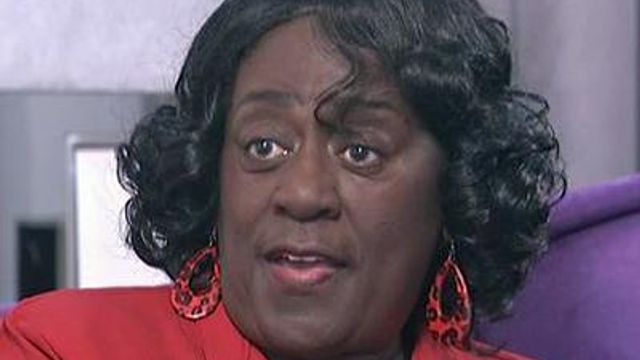
Ruby Dunston Green and Janet Peebles McLin entered a year later.
“No one attacked us or anything like that,” McLin said.
“Some of them didn’t speak and some were friendly, some were overly friendly, trying to overcompensate,” Green said.
What happened inside the old high school, which sat on Hillsborough Street, was not as easily accepted on the outside.
“It may have bothered some (other schools), because we had a hard time scheduling some sporting events,” Prevo said.
The school had to cancel sports for two years.
For McLin and Green, their move to Cathedral Latin had nothing to do with being pioneers in race relations.
“We didn’t go in there for the purpose of integrating the school. We went there for the education, the opportunity to get a better education,” McLin said.
Green has written a book about her experience called “Ruby's Miraculous Journey.”
Cardinal Gibbons began in 1909 as Sacred Heart High School and became Cathedral Latin High School in 1924. The name Cardinal Gibbons came in 1962.

• Credits
Copyright 2024 by Capitol Broadcasting Company. All rights reserved. This material may not be published, broadcast, rewritten or redistributed.