Death sentences become rarity in N.C.
Twenty to 30 North Carolina inmates were sent to death row annually in the 1990s. This year, only one man was sentenced to die for his crimes.
Posted — UpdatedTwenty to 30 North Carolina inmates were sent to death row annually in the 1990s. By last year, the number of death sentences handed down statewide had dropped to three.
The decline is part of a national trend. A recent study shows death sentences have dropped to a 30-year low in the U.S. Last year, 115 people were sentenced to death, a 62 percent drop from 10 years ago, when 306 people were sent to death row.
"The fact that our citizens – average North Carolinians – are saying, 'I choose life' is very encouraging," said Gretchen Engel, a lawyer for the Center for Death Penalty Litigation in Durham. "Jurors believe that a life sentence is appropriate."
Engel said she sees many reasons for the dwindling number of death sentences:
- In 2001, prosecutors were given discretion in which cases to try as a capital case.
- The Office of Indigent Defense Services improved representation for defendants facing the death penalty.
- Court rulings stopped the execution of juveniles and the mentally retarded.
- State sentencing reform that offered a life sentence without the possibility of parole gave jurors a viable option to a death sentence.
- Highly publicized wrongful convictions weigh on jurors minds as they debate a sentence.
"We've had three exonerations in North Carolina this past year," Engel said.
Wayne Uber, of Chapel Hill, a supporter of capital punishment, said he thinks improved evidence-collecting prompts more suspects to plead guilty and avoid a death sentence.
"I don't judge the relative success or failure by the number of persons that are added to death row," Uber said.
He has personal reasons for backing the death penalty. His twin brother, Jeffrey, was slain in Florida over some credit cards, and the killer received a life sentence.
"I think that that man should be executed," he said, though he added that he respects whatever informed decisions jurors make.
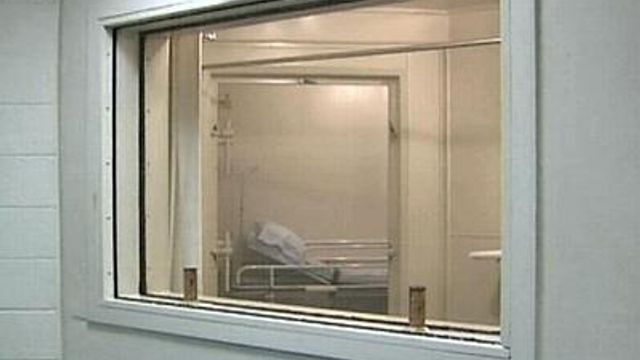
Uber said he's most frustrated by North Carolina's current moratorium on lethal injection.
The state Supreme Court is trying to sort out a physician's role in executions and whether the North Carolina Medical Board can punish physicians who participate in them. The execution protocol approved by state officials also is tied up by a legal challenge.
"If I'm displeased, it's by the delays," Uber said.

• Credits
Copyright 2024 by Capitol Broadcasting Company. All rights reserved. This material may not be published, broadcast, rewritten or redistributed.