Local News
Gas pumps protect credit data with new device
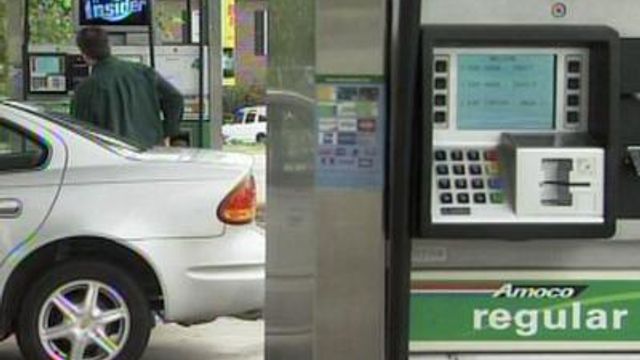
The BP service station, at 531 Barber Mill Road and N.C. Highway 42, began using the Secure PumpPay system on its eight pumps in April, according to John Strickland, president of Wayne Oil and owner of the Clayton BP.
Posted — UpdatedCLAYTON, N.C. — A gas station just outside of Raleigh is one of three outlets in the country keeping customers' credit card information secure with a unique device on its gas pumps.
The Hasty Mart BP service station, at 531 Barber Mill Road and N.C. Highway 42, began using the Secure PumpPay system on its eight pumps in April, according to John Strickland, president of Wayne Oil and owner of the Clayton BP.
“It’s that outside, unattended payment that we wanted to protect. Inside, our point-of-sales systems were as secure as they could be, and we wanted to provide this same level of security at our points of sale outside,” Strickland said.
The Secure PumpPay system, created by VeriFone, is designed to protect consumers from skimming, a practice in which thieves install hard-to-detect electronic devices on gas pumps to steal credit card information. The U.S. Secret Service is investigating skimming cases at gas stations in at least five states, according to the USA Today newspaper.
The Secure PumpPay devices have not been noticeable to consumers at the BP station in Clayton, Strickland said.
Driver Charles Swinson said knowing the gas pump contains a security device makes him “feel a lot safer” using his card at the BP station.
“I think people have a presumption that when they’re paying for something it’s secure, but I know the reality is that there is a lot that goes into keeping someone’s account information completely secure,” Strickland said. “We wanted to make sure our customers were secure even when they didn’t know it.”
Visa has mandated that all merchants replace debit devices with Triple Data Encryption Standard devices by July 1, 2010. The mandate was to increase security measures. If a company does not comply, credit card companies could fine station owners.
The Secure PumpPay system, which costs thousands to install, is also being used in Clearwater, Fla., and Fort Wayne, Ind.
• Credits
Copyright 2024 by Capitol Broadcasting Company. All rights reserved. This material may not be published, broadcast, rewritten or redistributed.