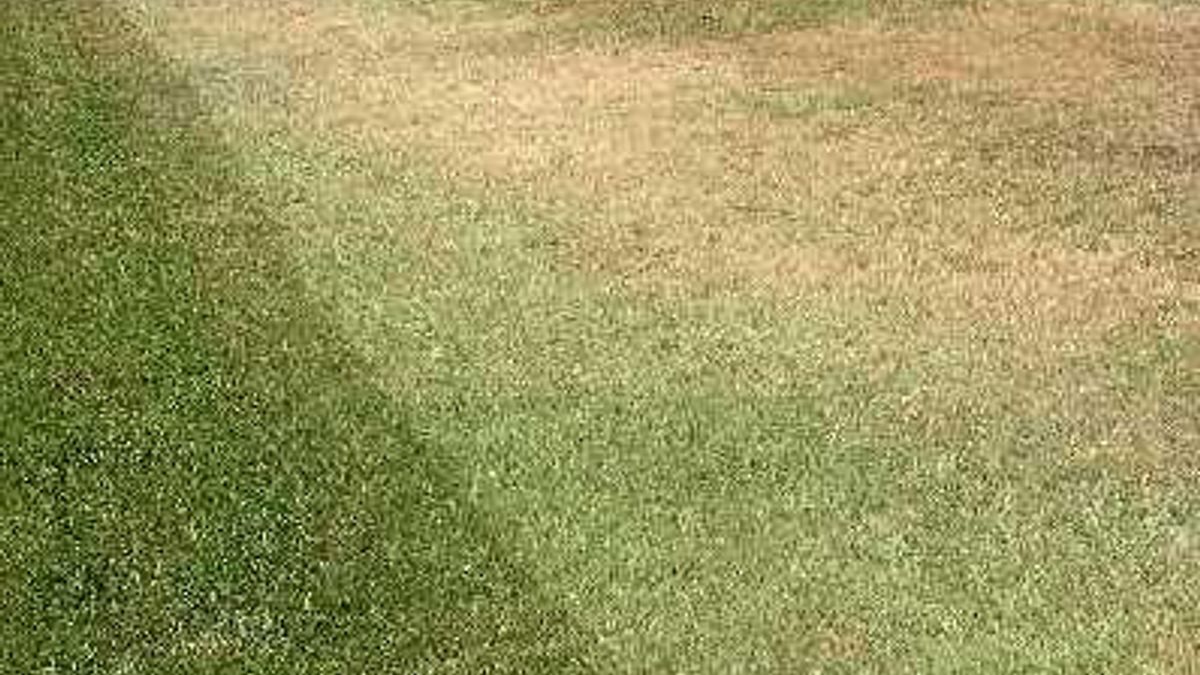
Listening to NPR yesterday and heard a great piece about how grass that isn't watered will go dormant. So it made me think back to an earlier blog on conserving water, and caring for grass.
Check out what the Virginia Cooperative Extension office has to say about letting your lawn go dormant through the hot summer months:
Other WRAL Top Stories
"Over-watered lawns frequently lead to excess blade growth, summer fungal diseases, and more frequent mowing. Excessive watering also wastes water and increases the risk of fertilizer and pesticide runoff from the lawn to paved surfaces. This could negatively impact local water quality.
Lawns that receive little to no water from irrigation or rainfall during summer months will go dormant. Grass blade coloring will lighten. Most lawns will recover when water returns. During a severe drought, cool season grasses (ryegrasses, fescues, or bluegrasses) may die and require reseeding in the fall. This may be acceptable to those looking to conserve water during summer months, or may be necessary because of water-use restrictions during a drought. Again, where warm-season grasses are adapted within the state, consider using them because they can better withstand most drought conditions. "
Good information for NC, too. In fact, my husband has recently spearheaded our decision to let our grass go dormant—even though we had one of the loveliest stands of grass this spring. In the fall, I'll bet that we finally start the zoysia.
- Do you let your grass go dormant?
- If not, have you replaced your fescue with bermuda or zoysia?
- And, have you finally thrown in the towel and converted your grass lawn to stone paths or flower beds?