UNC researcher discusses new pancreatic cancer study
For 40 years, the odds of survival haven't improved for patients diagnosed with pancreatic cancer. Only 25 percent of patients live beyond the first year. Surgery is the only chance for a cure, but the risk of complications is high.
Posted — UpdatedNew research may help identify patients who would benefit most from surgery.
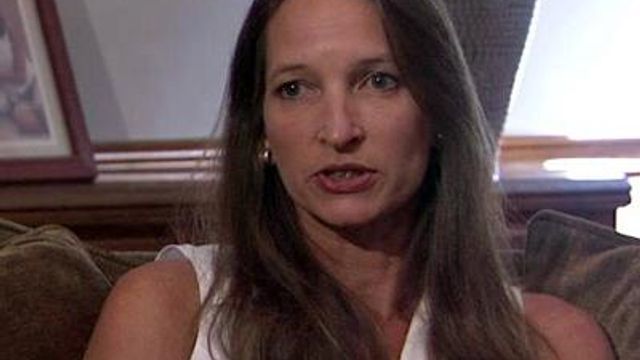
Six years ago, when Lori Matteson was 42 and a new mom, she learned that she had pancreatic cancer.
“I had a 23-month-old son at that point … and thinking of him without a mommy just was not a very good thought,” she said.
Based on CT scans and discussions with her doctor, she chose a complex surgery to remove the tumor, the gall bladder and part of her stomach, followed by chemotherapy and radiation. She beat the odds.
“There's only 6 percent of people that survive more than five years and I'm at year six,” Matteson said.
Since some patients, such as Matteson, survive well beyond the median two years, UNC researchers wondered if certain tumors were biologically different. Cancer surgeon Dr. Jen Jen Yeh was senior author of a multi-state study that identified a six-gene signature associated with late stage tumors.
“We were able to predict who survived longer after surgery … and it was a difference of a little over a year to five years,” Yeh said.
The discovery could offer patients a valuable piece of information as they balance the risks and benefits of surgery versus quality of life issues.
“If somebody knows that they have a good chance of surviving for many years after surgery, then it might be worth it to take that risk of surgery,” Yeh said.
“But instead of a guessing game, now you'll have more information,” Matteson said.
“’Cause there aren't many survivors who can speak up for this disease,” she said.
• Credits
Copyright 2024 by Capitol Broadcasting Company. All rights reserved. This material may not be published, broadcast, rewritten or redistributed.