Duke doctor sees pneumonia's fatal effect on children
The spread of the H1N1 flu virus is a major concern in the U.S., but another disease is killing about 2 million children every year worldwide– pneumonia.
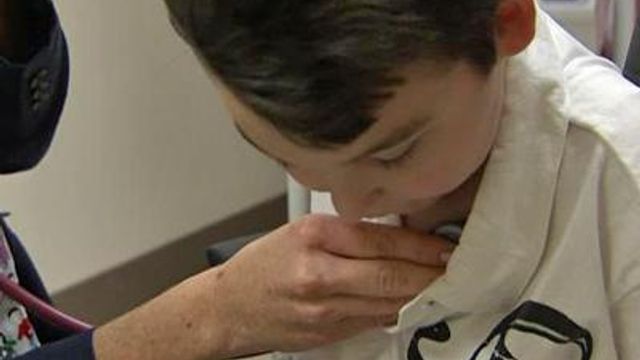
Posted — UpdatedSeeing young patients in the clinical settings of Duke Medical Center is Dr. Coleen Cunningham's typical day. She's chief of pediatric infectious diseases at Duke, but her concerns for children recently carried her all the way to Bangladesh, one of the poorest of third-world countries.
“Many of those countries don't use the immunizations that we use. They're not available. In addition, nutrition is often times not as good. Access to antibiotics isn't as good,” she said.
Cunningham toured the country with “Save the Children” to see how local life savers, men and women volunteers, are trained to diagnose and treat the biggest killer of these children, pneumonia.
Many people in the U.S. aren't aware of the health threats of streptococcus pneumonia and H-flu type B.
“We immunize all kids here in this country against those two bacteria starting at 2 months of age,” Cunningham said. “We've seen those diseases almost vanish in young children because we immunize everybody.”
It would take a major vaccination effort on the part of governments and multinational organizations, but Cunningham says a similar challenge has been successful in treating HIV.
“The infrastructure is there. We now know that we can deliver medicines to all the places we're delivering for HIV care,” she said.
It’s those volunteers who can also deliver simple antibiotics and promote breast-feeding. The impact could be dramatic, according to Cunningham.
“Because we know that we actually have the means to easily eliminate half those cases,” she said.
Cunningham said there are still communities, even in urban areas like Durham, that could learn from the medical volunteer models used in third world countries to increase vaccination rates and promote breast-feeding.
• Credits
Copyright 2024 by Capitol Broadcasting Company. All rights reserved. This material may not be published, broadcast, rewritten or redistributed.