New procedure helping asthma patients breathe easier
Most people take breathing for granted, but for people with asthma, wheezing, coughing, chest tightness and shortness of breath are all scary symptoms that can result in trips to the hospital.
Posted — UpdatedIn some cases, medicines stop working for patients with severe asthma.
Thanks to a new procedure, however, those patients are getting a chance at living a more active life.
First available at Duke University Hospital, a procedure called bronchial thermoplasty uses heat to help smooth airways that become damaged over time due to asthma symptoms.
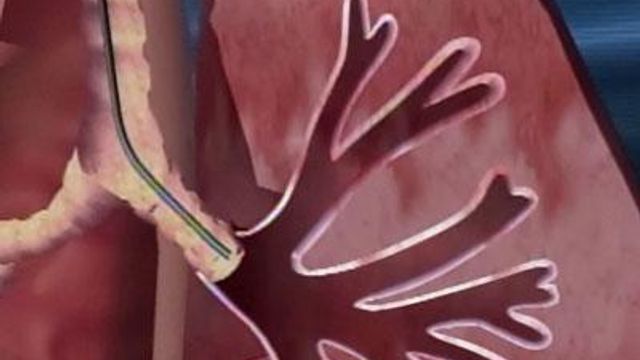
Doctors send a bronchoscope inside the lungs of asthma patients with a special catheter that delivers heat to the surface of muscles. Approved two years ago by the U.S. Food and Drug Administration, the procedure is perfect for the 10 to 20 percent of asthma sufferers that don't see results from normal medications.
"There have been some remarkable responses to the procedure where patients have been able to taper their medications significantly," Duke pulmonologist Monica Kraft said.
Studies indicate that the three-part procedure reduces asthma flare-ups by up to 30 percent and reduces emergency room visits by nearly 80 percent.
One such patient is Sara Beth Owen, a 26-year-old asthma sufferer who says she has struggled with symptoms since she was an infant. Owen wasn't able to run without pain and made frequent visits to the hospital before deciding to undergo the bronchial thermoplasty procedure at Duke.
After completing two of the three treatment sessions, Owen said the difference is noticeable for her and her dog, who is getting to go on more frequent walks.
"For me, this is a huge accomplishment," Owen said. "I ran about 1,000 feet with him and my lung didn't shut down. This is my really big shot. I'm at the prime age and I want to have kids and a life."
Insurance companies haven't completely come on board with covering the procedure yet, but many patients have been able to receive the treatment as study participants.
• Credits
Copyright 2024 by Capitol Broadcasting Company. All rights reserved. This material may not be published, broadcast, rewritten or redistributed.